What to look at before buying exercise equipment for home
Cardio and strength take up room in completely different
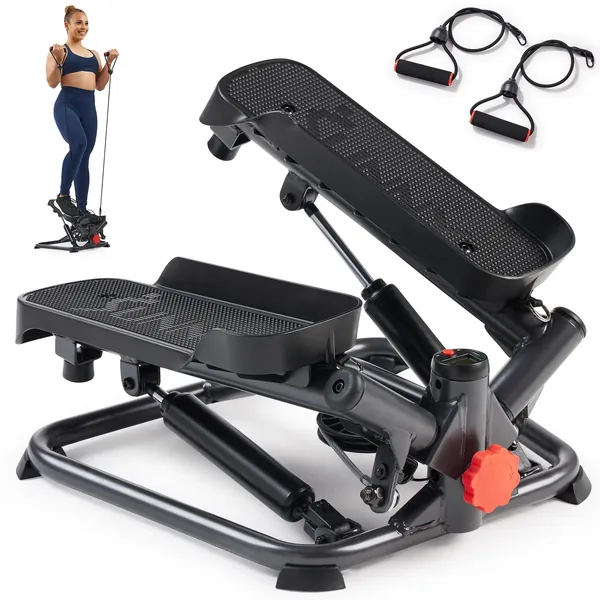
ways. A bike or a stepper is a machine you stand on, and it lives
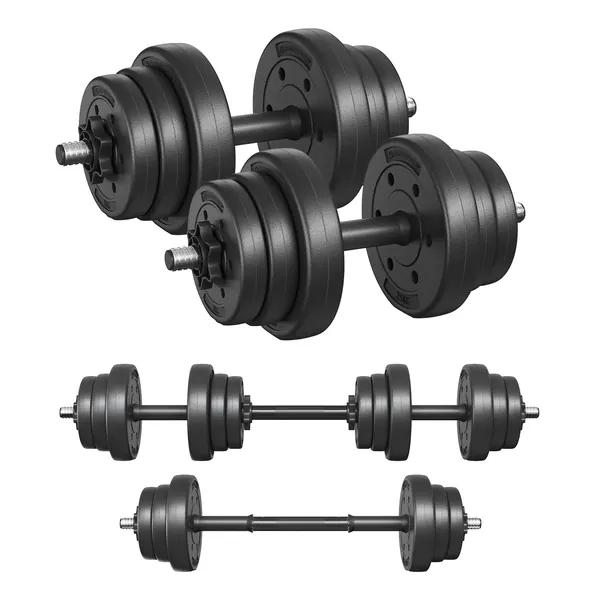
somewhere permanently. Strength kit is another story: a bar of weights goes
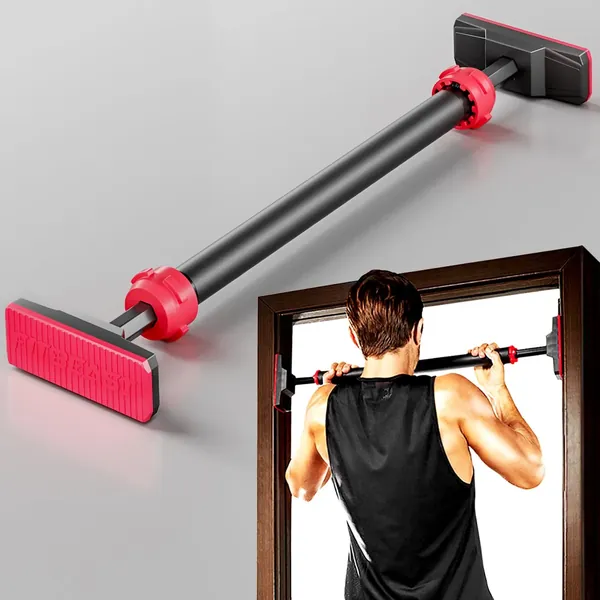
in a box under the bed and a pull-up bar lives in a door frame without
touching the floor at all. If room is what you are short of, start with the
second kind.
Ask for the folded measurement in writing. There is a
curious trap here: plenty of makers sell a product as folding and then do
not publish what it measures folded, which is precisely the figure you are
buying it for. And some publish no dimensions at all. Of the four here, one
gives neither size nor weight, and we have left its space score empty
rather than invent one.
The weight of the machine decides whether you will ever move
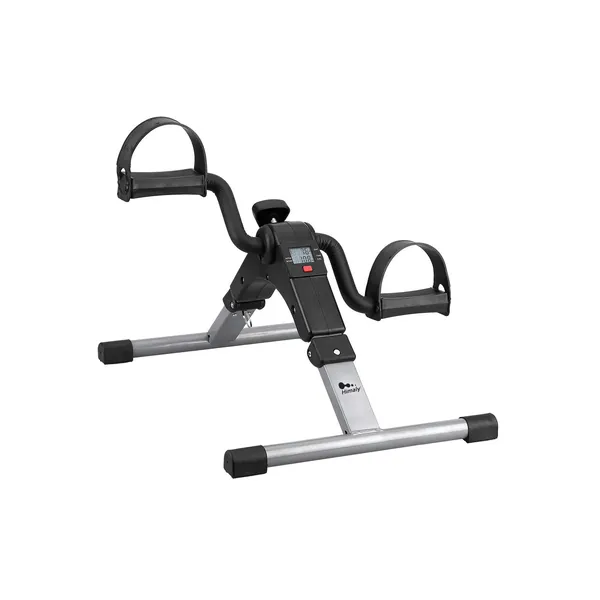
it. It sounds obvious and it gets ignored every time. A 2.5 kg
pedal unit goes in a cupboard without a thought; 20 kg of plates goes under
a bed but only because it comes apart. Be honest with yourself about how
often you will actually shift it.
Think about the neighbours. In a flat this is as real a
constraint as space. Impact equipment is heard downstairs; hydraulic
resistance is not. If you train at odd hours in a building with people
below, that decides more than any measurement.
And if you rent, be careful with anything that needs
drilling. Pull-up bars that grip a door frame by tension leave no mark, but
they only work on solid wood or brick frames: on a hollow partition they do
not hold, and the thing that falls is you.